

In today’s fast-moving business environment, communication is everything. While many organizations are shifting toward cloud-based calling and VoIP systems, traditional PSTN lines still play a crucial role in ensuring reliability and continuity.
This is where an FXO gateway becomes essential; it bridges the gap between legacy telephony and modern IP communication. If your business is looking to integrate analog lines with a VoIP system, choosing the right FXO gateway is not just a technical decision.
In this guide, we’ll walk you through everything you need to know about FXO gateways and how to choose the right one for your business, with reliable solutions from Grandstream.
What is an FXO Gateway?
An FXO Gateway is a device that connects traditional telephone lines (PSTN) to a VoIP network. It allows businesses to make and receive calls over analog lines using IP-based communication systems.
In simple terms, it acts as a bridge between:
- Your traditional telephone provider (PSTN)
- Your VoIP system or IP PBX
This is especially useful for businesses that:
- Want to reduce communication costs
- Need a backup line in case of internet failure
- Are transitioning gradually from analog to VoIP
Why Does Your Business Need an FXO Gateway?
Even in a digital-first world, completely eliminating PSTN lines isn’t always practical. Here’s why an FXO gateway is still important:
1. Backup Communication
Internet outages can disrupt VoIP services. An FXO gateway ensures that your business can still make calls using analog lines.
2. Cost Optimization
You can route specific calls through PSTN lines to reduce costs, especially for local or emergency calls.
3. Gradual Migration
Businesses transitioning from traditional systems can integrate both technologies without a complete overhaul.
4. Compliance & Emergency Calling
In many regions, emergency services rely on PSTN connectivity, making FXO gateways a necessity.
Key Factors to Consider When Choosing an FXO Gateway
Choosing the right FXO gateway depends on your business size, call volume, and future scalability needs. Let’s break down the most important factors:
1. Number of FXO Ports
The number of FXO ports determines how many analog lines you can connect.
- Small business: 1–4 ports
- Medium business: 4–8 ports
- Large enterprise: 8+ ports
Grandstream offers a range of gateways with multiple port options, making it easy to scale as your business grows.
2. Compatibility with Your Existing System
Ensure the FXO gateway works seamlessly with your:
- IP PBX system
- SIP-based platforms
- VoIP service providers
Grandstream gateways are known for their interoperability with most SIP-based systems, which makes integration smooth and hassle-free.
3. Call Quality & Voice Processing
High-quality voice communication is non-negotiable. Look for features like:
- Advanced echo cancellation
- Jitter buffer control
- Silence suppression
These ensure crystal-clear audio during calls, especially when connecting analog and IP networks.
4. Failover & Reliability Features
A good FXO gateway should support:
- Automatic failover to PSTN lines
- Network redundancy
- Power fail relay (lifeline support)
This ensures your business stays connected even during unexpected outages.
5. Security Features
With increasing cyber threats, securing your communication system is crucial. Choose a gateway that offers:
- TLS and SRTP encryption
- Firewall compatibility
- Secure SIP authentication
Grandstream integrates robust security protocols to protect business communications.
6. Ease of Installation & Management
Look for gateways that offer:
- Web-based configuration
- Plug-and-play setup
- Remote management
This reduces the need for technical expertise and simplifies deployment.
7. Scalability
Your communication needs will grow with your business. Choose an FXO gateway that can:
- Support additional lines
- Integrate with future upgrades
- Expand without major infrastructure changes
Popular FXO Gateway Models by Grandstream
Grandstream is a trusted name in VoIP and networking solutions, offering reliable FXO gateways for businesses of all sizes. Some popular options include:
1. GXW4104 / GXW4108
- Ideal for small to medium businesses
- Supports 4 or 8 FXO ports
- Easy integration with IP PBX systems
2. GXW4500 Series
- High-performance digital VoIP gateways
- Designed for large enterprises
- Advanced security and scalability features
These devices are built for performance, reliability, and long-term scalability.
Where FXO Gateways Make the Most Impact
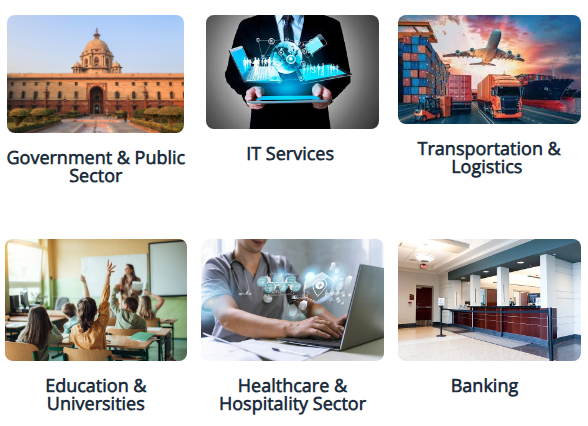
In enterprise offices, they provide a seamless backup to VoIP systems, ensuring business continuity during internet outages. In hospitality, they help maintain consistent guest communication by integrating traditional lines with modern IP systems.
Healthcare facilities rely on FXO gateways for dependable emergency calling and secure communication, while educational institutions use them to manage large-scale hybrid networks across campuses.
Conclusion
Choosing the right FXO gateway is essential for ensuring seamless communication, cost efficiency, and business continuity. Whether you’re a small business or a large enterprise, the right solution can significantly enhance your communication infrastructure.
By focusing on key factors like port capacity, compatibility, security, and scalability, you can make an informed decision that aligns with your business goals.
Trusted brands like Grandstream offer reliable and feature-rich FXO gateways that cater to diverse business needs, making them a smart choice for modern organizations.